
Mastering the Airport: A Stress-Free Expert Guide for 2026
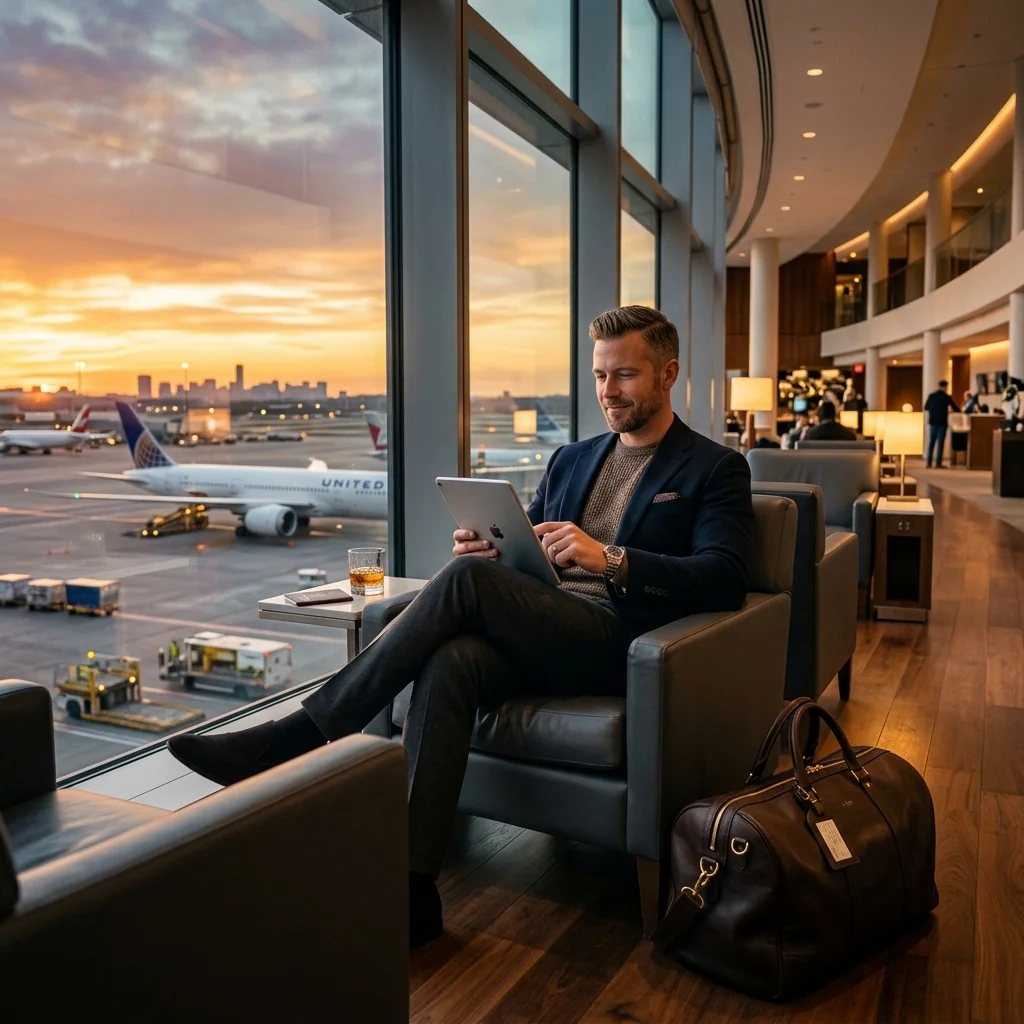

Air Travel • Airport Strategy • Smart Travel • 2026
✈️ Mastering the Airport — A Stress-Free Expert Guide for 2026
Airports remain the gateway to modern travel, but in 2026, navigating them efficiently requires more than arriving early. From biometric identity systems to AI-powered security screening, the modern traveler must combine technology, preparation, and strategic timing to reduce stress and maximize comfort.
Updated May 2026 • 12 min read

Official international aviation and airport information can be found through the International Air Transport Association (IATA) .
🧠 Why Airport Strategy Matters More Than Ever
Global travel volumes continue reaching record levels, while airports increasingly depend on automation, AI systems, biometric identity verification, and predictive logistics.
“The modern traveler wins the airport experience before even entering the terminal.”
Long queues, staffing shortages, gate changes, and crowded terminals can still create major stress, but smart preparation dramatically improves the travel experience.
📱 1. The ‘Digital First’ Pre-Flight Strategy
In 2026, the smartest travelers prepare digitally before arriving at the airport. Biometric pre-registration and touchless identity systems are rapidly becoming the global standard.

Many airlines now support:
Digital boarding passes
Biometric identity verification
Mobile passport integration
Touchless airport checkpoints
Wallet-based travel credentials
“Sync your digital ID at least 24 hours before departure to minimize verification delays.”
Major airports such as:
London Heathrow (LHR)
Dubai International (DXB)
John F. Kennedy International (JFK)
increasingly support biometric fast-track systems capable of reducing identity verification to only a few seconds.
🤖 2. Security 2.0 — AI-Powered Airport Screening
Airport security technology has evolved significantly. Modern AI-powered CT scanners can now analyze luggage contents in real time, reducing the need to unpack electronics and liquids.

At many international airports, passengers can now keep inside their bags:
Laptops
Professional camera gear
Tablets & electronics
Approved liquid containers
One effective strategy is organizing all technology accessories into a single transparent compartment, helping AI scanners identify equipment more efficiently.
“Efficient luggage organization can significantly reduce secondary security inspections.”
⏱️ 3. Virtual Queuing & Spot Saver Systems
One of the biggest airport innovations in 2026 is the expansion of virtual queue reservations.
Instead of waiting inside traditional security lines, travelers can reserve dedicated time slots through airport apps or online systems.

Reduced waiting times
Lower terminal stress
Better gate-time planning
Improved airport navigation
Some airports report average time savings exceeding 40 minutes for passengers using virtual queue systems.
🛋️ 4. Smart Lounge Strategy for Long Layovers
Airport lounges are no longer limited to first-class passengers. Modern lounge ecosystems increasingly support:
Day-pass access
Credit card partnerships
Digital lounge memberships
Remote-work friendly environments

“For layovers longer than three hours, lounge access can often cost less than dining and workspace expenses inside crowded terminals.”
Popular lounge-access ecosystems include:
DragonPass
Priority Pass
Airline business lounges
📡 5. Real-Time Airport Apps & Live Crowd Monitoring
Staffing shortages and operational disruptions still affect many airports globally. In response, airports increasingly rely on real-time logistics platforms and predictive crowd monitoring.

Modern airport applications can now provide:
Live security wait times
Gate congestion updates
Terminal crowd density
Restaurant waiting times
Flight disruption alerts
Travelers should always install:
The official airport app
The airline’s official app
Offline travel wallet apps
💧 6. Hydration, Wellness & ‘Bio-Hacking’ Your Flight
Airport terminals and aircraft cabins often contain extremely dry recycled air, contributing to fatigue, stress, headaches, and dehydration.

Experienced travelers increasingly optimize their physical condition before flights through:
Hydration strategies
Magnesium-rich snacks
Reduced caffeine intake
Compression clothing
Sleep optimization
“The best traveler in 2026 is not the one carrying the most luggage, but the one arriving at the gate calm, hydrated, and mentally prepared.”
🎒 Recommended Smart Travel Essentials
Item | Why It Matters |
|---|---|
Collapsible Water Bottle | Hydration after security screening |
Noise-Canceling Headphones | Reduce terminal and cabin stress |
Portable Power Bank | Essential during delays or long transits |
Compression Socks | Improve circulation during long flights |
Digital Passport Wallet | Faster access to travel documents |
❓ Frequently Asked Questions
How early should travelers arrive at airports in 2026?
For international travel, arriving 2.5–3 hours early remains recommended, especially during peak travel seasons.
Are biometric airport systems safe?
Most major airports now use encrypted biometric verification systems compliant with international aviation security standards.
Do virtual security queues actually save time?
Yes. Many airports report substantial reductions in security waiting times for passengers using reservation-based systems.
Are airport lounges worth paying for?
For long layovers, delayed flights, or remote work sessions, lounges often provide significant comfort and productivity advantages.
🌍 Final Thoughts
Airports in 2026 are becoming increasingly intelligent, automated, and data-driven. Travelers who combine preparation, digital tools, and smart airport strategies can dramatically reduce stress while improving comfort and efficiency.
Modern travel is no longer only about reaching your destination — it is about mastering the journey itself.
Share this Article
PLAN YOUR NEXT TRIP WITH CLICKYAN24
Find the best flight and hotel deals for this destination using our smart AI assistant.